Understanding Credit: Types, Importance & Smart Management

Credit is the ability to borrow money or access goods and services with the agreement that you’ll pay later. It forms the backbone of modern financial systems, influencing everything from daily purchases to major life decisions like buying a home or starting a business.
When used wisely, credit helps you build financial stability and unlock opportunities. Mismanaged credit, however, can lead to long-term financial challenges.
How Credit Works
Credit operates on a simple principle: a lender extends funds or resources to a borrower, who agrees to repay them under specific terms. These terms typically outline:
-
Borrowed amount (principal)
-
Interest rate
-
Repayment schedule
-
Fees or penalties
Your creditworthiness—usually measured by your credit score—determines how much you can borrow and at what cost.
Key Components of the Credit System
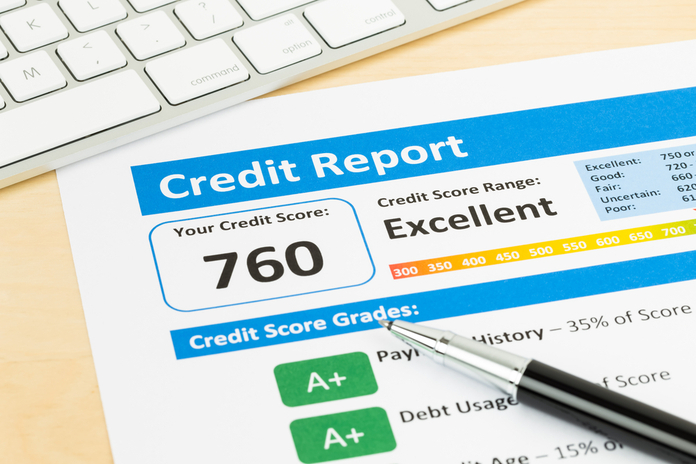
Credit Score
A numerical rating that reflects your reliability as a borrower. Factors that influence it include:
-
Payment history
-
Credit utilization
-
Length of credit history
-
Types of credit used
-
New credit inquiries
Credit Report
A detailed record of your credit activities, including loans, credit cards, and payment behavior.
Credit Limit
The maximum amount a lender allows you to borrow on a revolving account like a credit card.
Types of Credit
1. Revolving Credit
Allows you to borrow repeatedly up to a set limit.
Examples:
-
Credit cards
-
Personal lines of credit
Features:
-
Flexible payments
-
Interest charged on outstanding balances
2. Installment Credit
Requires fixed payments over a predetermined period.
Examples:
-
Mortgages
-
Auto loans
-
Student loans
Features:
-
Predictable monthly installments
-
Usually lower interest rates than credit cards
3. Open Credit
Must be paid in full each billing cycle.
Examples:
-
Utility bills
-
Charge cards
Features:
-
No interest if paid on time
-
Missing payments can affect your credit score
Why Credit Matters
Builds Financial Reputation
A strong credit history opens doors to better financial opportunities, including lower interest rates and easier loan approvals.
Enables Major Purchases
Homes, cars, and large assets typically require installment loans where creditworthiness plays a crucial role.
Offers Financial Flexibility
Credit can help manage unexpected expenses, emergencies, or cash-flow gaps.
Affects Non-Financial Areas
Some employers, landlords, and service providers check credit to assess responsibility.
Risks of Poor Credit Management
-
High interest rates and fees
-
Loan application rejections
-
Difficulty securing housing or utilities
-
Higher insurance premiums
-
Debt accumulation
Poor credit can become a long-term financial burden if not addressed early.
How to Use Credit Wisely
Make Timely Payments
On-time payments are the biggest contributor to a healthy credit score.
Keep Balances Low
Aim to keep credit utilization below 30% of your available limit.
Avoid Excessive Credit Applications
Each credit inquiry can cause a small score drop.
Review Your Credit Report Regularly
Identify errors or suspicious activity and dispute them promptly.
Build a Mixed Credit Profile
Having both revolving and installment accounts can boost your score over time.
FAQ
1. What is the difference between credit and a loan?
Credit is a general borrowing arrangement, while a loan is a specific type of credit with fixed terms and payments.
2. Does checking my own credit score lower it?
No. Self-checks are considered soft inquiries and do not affect your score.
3. How long do negative items stay on a credit report?
Most negative entries remain for seven years, while bankruptcies can stay up to ten.
4. What is a good credit score range?
Generally, 670–739 is considered good, 740–799 very good, and 800+ excellent.
5. Can I build credit without a credit card?
Yes. Installment loans, secured loans, and rent-reporting services can all help.
6. How often should I check my credit report?
At least once a year, or more frequently if you’re planning major financial decisions.
7. Do unpaid utility bills affect credit?
Yes, if they go to collections, they can significantly damage your credit score.