
How a Foundation Repair Contractor Diagnoses Foundation Problems
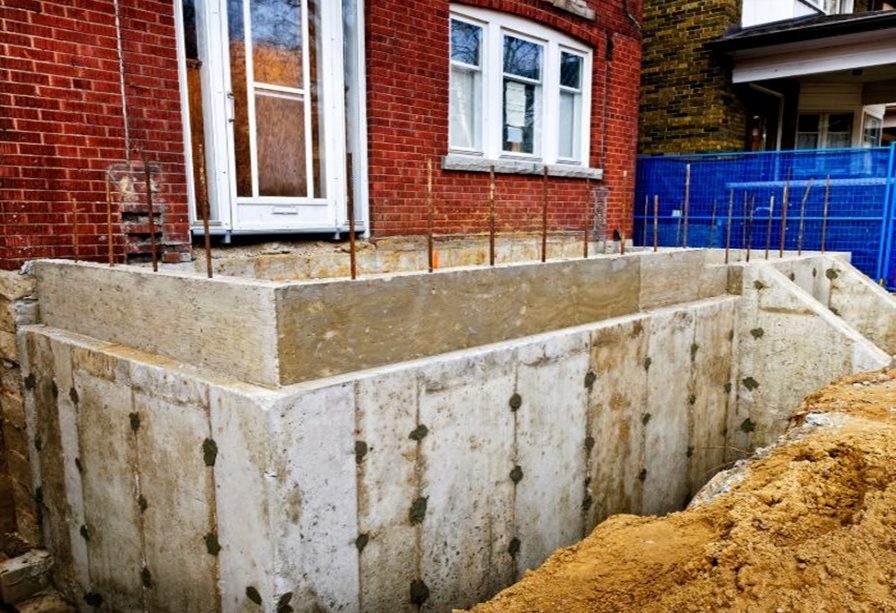
Foundation problems can start quietly. You may first notice a thin crack along a wall, a door that suddenly sticks, or a floor that feels slightly uneven. These symptoms may appear small, but they can provide useful clues about changes happening beneath your structure. Understanding the cause early can help you make informed decisions before the damage becomes more complicated.
A professional inspection is an important part of the foundation repair contractor in Carmel process because visible damage does not always reveal what is happening beneath the surface. A foundation repair contractor looks at the structure as a whole, including cracks, floor elevations, drainage, soil conditions, and movement patterns. Each clue helps build a clearer picture of the problem.
The Inspection Starts With What You Have Noticed
Before checking measurements or examining cracks, a contractor will usually ask about the changes you have seen around the property.
You might be asked when a crack first appeared, if it has changed in size, or if certain doors have become harder to close. Other questions may focus on uneven flooring, recent water problems, drainage changes, or previous structural work.
These details provide a timeline. A condition that appears suddenly can point to a different cause than one that develops slowly over several years.
It helps to mention anything unusual you have noticed, even if it seems unrelated. Several small symptoms occurring in the same area may form a pattern that becomes important during the inspection.
Cracks Can Reveal Patterns of Movement
Foundation cracks receive plenty of attention, but contractors look beyond the simple fact that a crack exists. Its direction, width, length, location, and surrounding conditions all matter.
Vertical cracks can develop differently from horizontal cracks. Stair step cracking through brick or masonry may also suggest a different type of movement. Cracks around doors and windows can provide additional clues about how the framing has shifted.
A contractor may measure and document cracks to understand their size and position. Photos can also help record current conditions.
Good foundation repair planning considers the complete pattern rather than assuming every crack has the same cause.
Floors, Doors, and Windows Offer More Clues
The inspection usually continues inside the structure. Foundation movement can affect framing and finishes far above the actual foundation.
A contractor may walk through rooms while looking for floors that slope, dip, or feel uneven. Measurements can help determine if one section sits noticeably higher or lower than another.
Doors and windows can also reveal changes. If several openings in the same part of the building suddenly stick, rub against their frames, or fail to close properly, structural movement may be contributing to the issue.
Wall cracks, separating trim, and gaps near ceilings or floors can provide additional evidence.
No single symptom tells the entire story. The relationship between several symptoms often provides the most useful information.
Exterior Conditions Add Another Piece to the Puzzle
After reviewing the interior, the contractor will typically examine the outside of the structure.
Exterior masonry may show cracks, separation, or shifting. Gaps can develop around windows, doors, siding, or areas where different building materials meet. Foundation walls may also show visible cracking or displacement.
Attached features such as porches, steps, and patios can provide useful clues. Their movement may be separate from the main foundation, but their condition can still reveal information about soil settlement or drainage around the property.
Comparing exterior observations with interior symptoms helps the contractor determine where movement may be concentrated.
Soil and Drainage Matter More Than You Might Think
The structure does not exist separately from the ground supporting it. Soil conditions can have a major influence on foundation movement.
Some soils expand when they absorb water and shrink when they dry. Other soils can settle or erode. Changes in the amount of water around the foundation can also affect how the soil behaves.
During an inspection, a contractor may examine grading, gutters, downspouts, landscaping, and areas where water collects after rainfall.
Poor drainage does not automatically indicate foundation damage, but it can provide important context when other structural symptoms are present.
Understanding what is happening around the foundation helps create a more complete foundation repair diagnosis.
Measurements Help Confirm What the Eye Cannot
Visual inspection is important, but measurements can provide information that is difficult to detect by sight alone.
A contractor may use leveling equipment to compare elevations across different areas of the structure. These readings can reveal where sections have moved relative to surrounding areas.
For example, measurements may show that one portion of a floor sits lower than the rest. Combined with cracks, sticking doors, or exterior separation in the same area, that information can help identify a pattern of settlement.
Measurements also help define the extent of movement, which matters when determining what areas may require attention.
Finding the Cause Comes Before Choosing a Repair
Two buildings can show similar cracks while having very different underlying problems. This is why diagnosis should come before recommending a repair method.
Possible contributing conditions can include soil settlement, expansive soils, erosion, poor drainage, pressure against foundation walls, or construction-related concerns.
A contractor studies the available evidence and considers how the symptoms connect. Repairing a visible crack without understanding why it developed may leave the structural problem untouched.
Once the cause and affected areas are better understood, the contractor can discuss suitable repair options and explain why a particular approach is being recommended.
Soil Conditions Can Affect Foundation Performance
The U.S. Geological Survey (USGS) provides information about expansive soils and how changing ground conditions can affect structures. Expansive soils can change volume as moisture levels rise and fall, which may contribute to shifting, cracking, and other structural damage. Understanding these soil conditions can provide useful context when investigating the possible causes of foundation movement.
You can learn more through the official U.S. Geological Survey website.
A professional evaluation can connect these ground conditions with visible signs around your property, helping determine what may be contributing to the problem and what type of foundation repair may be appropriate.
Understanding the Recommended Repair
Once the inspection is complete, the contractor should be able to explain what was found, where movement appears to have occurred, and what may have contributed to it.
Depending on the diagnosis, foundation repair could involve stabilizing sections of the structure, addressing foundation walls, correcting drainage concerns, or using another method suited to the conditions found during the evaluation.
Ask questions about the findings and proposed work. Understanding why a particular solution is recommended can help you make a more informed decision about your property.
Conclusion
Diagnosing foundation problems involves much more than spotting a crack and choosing a repair. A foundation repair contractor studies interior and exterior symptoms, floor elevations, soil conditions, drainage patterns, and structural movement before developing recommendations.
Paying attention to changes around your property can also help. Cracks that grow, floors that become uneven, or doors and windows that begin sticking are worth investigating. A detailed inspection can help identify what is happening and give you clearer information about the next steps.
If you have noticed signs of foundation movement and want a professional evaluation, Carmel Foundation Repair Experts can inspect your structure, explain the findings clearly, and recommend an appropriate path forward.