
Planning Cement and Foundation Work Before Problems Grow
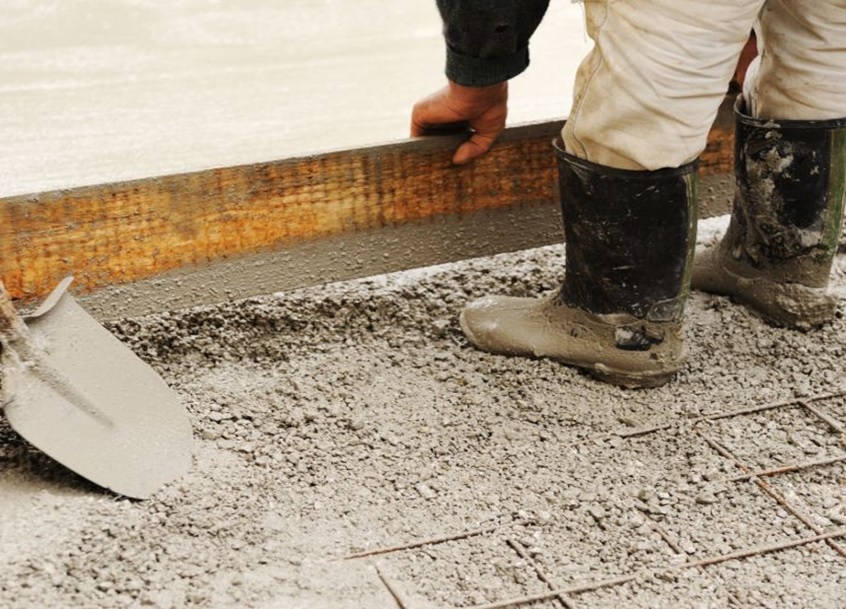
A strong foundation supports every part of a building, yet early warning signs are often easy to overlook. A thin crack, a sticking door, or a slightly uneven floor may seem harmless at first. However, these changes can indicate soil movement, drainage issues, concrete wear, or pressure beneath the structure. Paying attention early gives you more time to understand the problem and choose the right response.
Planning cement and foundation work in New Braunfels, TX, before damage spreads can help you avoid wider structural concerns and more disruptive repairs. Early planning also allows you to gather information, compare repair methods, and prepare the property before work begins.
This article will explain the signs that deserve attention, the conditions that affect foundations, and the steps involved in preparing for professional repairs. Readers will learn how inspections, drainage improvements, repair planning, and ongoing observation can support a safer and more stable property.
Understand Why Foundation Problems Develop
Begin this section by explaining that foundations are affected by the soil and water surrounding them. Soil may expand when it absorbs water and shrink during dry periods. This repeated movement can place uneven pressure on concrete slabs, footings, and foundation walls.
Discuss how poor drainage may allow water to collect near the foundation. Gutters that overflow, downspouts that release water too close to the building, and low areas in the yard can contribute to soil movement. Plumbing leaks beneath or near a slab may also change soil conditions.
Explain that concrete naturally experiences some surface changes as it cures, but growing cracks, separation, or movement may require professional evaluation. Readers should understand that the cause of the problem matters because repairs must address more than the visible symptoms.
Watch for Early Warning Signs
Describe common signs that may suggest foundation movement. These can include cracks around windows, doors that no longer close correctly, gaps between walls and ceilings, uneven floors, and visible cracks in exterior concrete.
Explain that one isolated symptom does not always confirm major damage. The location, direction, width, and growth of a crack all provide useful information. A small crack that remains unchanged may be less concerning than one that widens over several months.
Encourage readers to document changes with dated photographs and simple measurements. This creates a useful record that can be shared during an inspection. Readers should avoid guessing about the severity of the problem based on appearance alone.
Inspect Concrete Areas Around the Property
Explain that foundation concerns may also appear in nearby concrete surfaces. Driveways, patios, walkways, steps, and garage slabs can reveal how soil is moving around the property.
Discuss signs such as sinking sections, raised edges, deep cracks, standing water, and concrete pulling away from the structure. These conditions may pose safety hazards and indicate drainage or soil issues.
Mention that cement and foundation work may involve repairing damaged concrete, stabilizing soil, lifting settled sections, or replacing areas that are no longer repairable. The correct method depends on the condition of the concrete and the reason it moved.
Schedule a Professional Foundation Evaluation
Outline what readers can expect during a foundation evaluation. A contractor may inspect interior and exterior cracks, check floor elevations, review drainage patterns, examine crawl spaces, and look for signs of settlement.
Explain that the inspection should help identify the likely source of the movement. Readers should ask which areas are affected, how quickly the condition may progress, and what repair methods are suitable.
Encourage readers to request a clear explanation of the findings. Technical terms should be translated into practical information about the condition of the structure, the proposed repair, and the steps required before work begins.
Review the Available Repair Options
Introduce common repair approaches without presenting one method as suitable for every structure. Depending on the problem, repairs may involve piers, underpinning, wall supports, crack repair, slab lifting, drainage corrections, or concrete replacement.
Explain that cosmetic crack filling alone may not solve a problem caused by continued movement. The repair plan should address the source of the pressure or settlement whenever possible.
This section should note that well-planned cement and foundation work combines structural evaluation with practical site preparation. The selected method should reflect the foundation type, soil conditions, extent of movement, and access around the property.
Improve Drainage Before Repairs Begin
Explain why water management is an important part of foundation planning. Water that collects near the structure can soften soil, increase pressure, and contribute to movement.
Discuss practical improvements such as cleaning gutters, extending downspouts, correcting low spots, repairing leaks, and directing runoff away from the foundation. Landscaping should also be reviewed because roots, irrigation, and soil grading can affect moisture levels.
Clarify that drainage improvements may support a repair plan, but they are not a replacement for structural repairs when movement has already occurred. Readers should follow professional guidance rather than assuming that redirecting water will reverse existing damage.
The U.S. Environmental Protection Agency provides moisture control guidance covering site drainage, foundations, plumbing systems, and other building areas. Its recommendations explain how properly directing rainwater away from a structure can help limit excess moisture around foundation walls and surrounding soil. Readers can review the EPA’s moisture control guidance to better understand why drainage should be considered during foundation planning.
Prepare the Property for the Project
Describe the preparation that may be needed before repair crews arrive. Outdoor furniture, plants, stored items, vehicles, and decorations may need to be moved away from the work area.
Explain that some projects require access to crawl spaces, basements, garages, or interior walls. Readers should ask which spaces need to remain clear and how dust, noise, vibration, and equipment movement will be managed.
Encourage readers to discuss the project schedule, property access, cleanup, and any temporary limits on using certain areas. Good preparation can reduce confusion and help the repair process move more smoothly.
Ask Clear Questions Before Approving the Plan
Provide examples of useful questions readers can ask. They should understand what caused the damage, which areas will be repaired, how the proposed method works, and how progress will be checked.
Readers should also ask what may happen if repairs are delayed. This helps them understand the level of urgency without relying on fear-based sales language.
Before approving cement and foundation work, readers should review the written scope, preparation requirements, repair stages, and any recommendations for monitoring the structure afterward.
Continue Monitoring After Repairs
Explain that post-repair observation is an important part of property care. Readers can continue checking cracks, doors, floors, drainage areas, and repaired concrete surfaces.
Encourage them to keep inspection notes, photographs, and repair documents together. These records may be useful for future maintenance, remodeling plans, or property evaluations.
Mention that new symptoms should be reported rather than ignored. Prompt communication allows a contractor to review the condition before it spreads into another part of the structure.
Conclusion
Planning foundation repairs early gives you time to investigate the cause, understand the available options, and prepare the property carefully. Warning signs such as cracks, uneven surfaces, sticking doors, and drainage problems deserve attention, especially when they persist or worsen.
A thoughtful approach to cement and foundation work can reduce uncertainty and help protect the structure from wider damage. By documenting changes, scheduling an evaluation, improving drainage, and asking informed questions, you can make confident decisions before small concerns become more disruptive.
For a professional evaluation and a repair plan based on your property’s condition, contact New Braunfels Foundation Repair Experts to discuss the next steps.